
Why narrow lots in Bridgeport make central air difficult for homeowners
Bridgeport remains one of the most historic neighborhoods on the South Side of Chicago. The homes here, especially those near Morgan Street and the 31st Street corridor, often sit on narrow lots that measure just 24 or 25 feet wide. These buildings include classic brick cottages, multi-unit greystones, and the iconic Chicago bungalows. While these structures are sturdy, they were built long before modern air conditioning existed. Trying to retrofit a traditional central air system into a narrow 60608 or 60609 zip code home is often a nightmare for homeowners. Traditional central air requires massive sheet metal ducts. In a narrow Bridgeport home, there is simply no place to put them without sacrificing significant living space. Homeowners often face the choice of dropping their high ceilings or building awkward soffits that cut through bedrooms and closets. This is where ductless mini split technology provides a superior alternative for residents who want modern comfort without destroying the character of their property.
The best way to add cooling to a narrow Bridgeport home without traditional ducts is a mini split system. These systems allow you to maintain the architectural integrity of your home. You do not have to tear out plaster walls or lower your ceiling height. In a neighborhood where every square inch of living space matters, avoiding bulky ductwork is a major win. Many homes near Halsted Street or the Bridgeport Art Center have limited floor plans that cannot accommodate a standard furnace and evaporator coil setup. Ductless technology bypasses these structural limitations entirely. This is essential for maintaining the value of historic properties in the 60608 area.
The structural benefits of ductless systems for historic Chicago homes
Ductless systems do not require large runs of trunk line and branch ducts. Instead, they use a small outdoor condenser unit connected to one or more indoor air handlers via a refrigerant line set. This line set is only about three inches in diameter. We can pass it through a small hole in the exterior brick or siding of your Bridgeport home. This small footprint makes it an ideal choice for the local architecture. Modern units now use R-454B refrigerant. This is the 2026 standard for environmental safety and efficiency. These systems use inverter-driven compressors. Unlike an old fashioned AC that is either 100 percent on or 100 percent off, an inverter compressor scales its speed up and down. It matches the exact cooling load of the room. This prevents the frequent cycling that wastes energy and causes temperature swings.
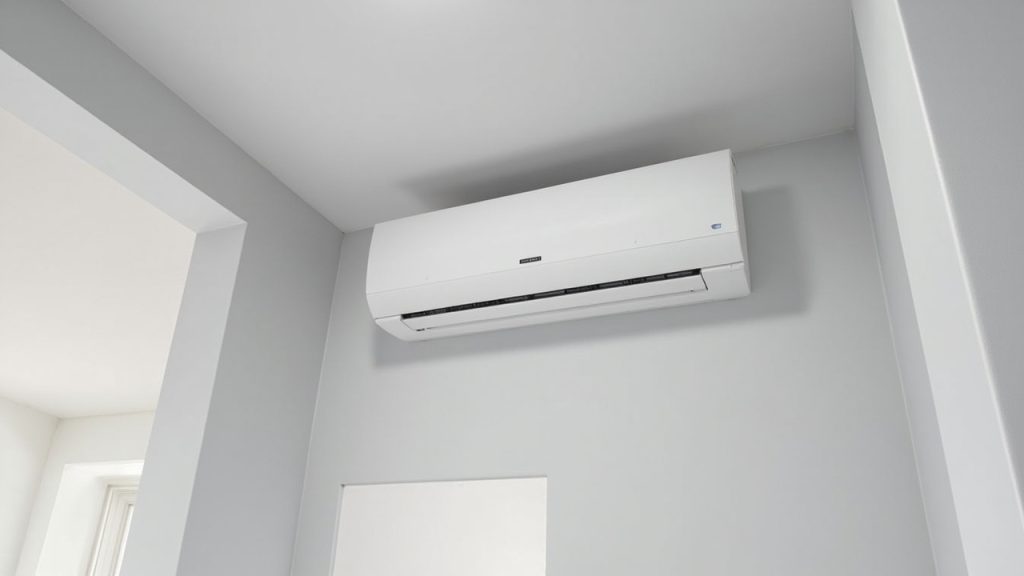
In a narrow home, vertical space is often at a premium. Running ducts through a second floor often means losing closet space or creating a bulkhead in the hallway. A ductless installation preserves these areas. The indoor air handlers mount high on the wall or can be recessed into the ceiling. This keeps the floor plan open and the aesthetic clean. For residents living in the historic district near McGuane Park, this preservation of interior space is a top priority. You can enjoy modern cooling while keeping the high ceilings that make these homes so desirable.
Comparison of cooling options for Bridgeport residential properties in 2026
| Feature | Traditional Central Air | Window Units | Ductless Mini Splits |
|---|---|---|---|
| Space Required | Significant ductwork and soffits | Window space lost | Minimal 3 inch wall hole |
| Energy Efficiency | Moderate SEER2 ratings | Low efficiency | High SEER2 up to 30.5 |
| Noise Level | Moderate operational noise | High vibration and hum | Whisper quiet 19 to 22 decibels |
| Installation Time | 5 to 7 days typically | Instant setup | 1 to 2 days usually |
Case study of a standard Bridgeport brick cottage layout
Consider a typical two story brick cottage on Lituanica Avenue. This home is 22 feet wide and 40 feet long. The first floor has a small parlor, a dining area, and a kitchen at the rear. The second floor contains two small bedrooms with sloped ceilings under the roofline. A traditional HVAC contractor might suggest a high velocity system. This would require running small tubes through the walls. This process is expensive and invasive. It often requires cutting into the original Chicago common brick or lath and plaster walls. Instead, we recently completed a project in a similar layout using a multi zone ductless strategy. We placed one 9,000 BTU wall unit in each upstairs bedroom and one 12,000 BTU unit in the main living area downstairs. This setup provided 32,000 total BTUs of cooling capacity without a single foot of ductwork.
The outdoor condenser was mounted on a wall bracket five feet off the ground in the narrow gangway between the house and the neighbor. This kept the unit safe from snow accumulation and clear of the walkway. The refrigerant lines were encased in a decorative slim duct that matched the color of the exterior trim. The homeowners now have independent temperature control for every room. They can turn off the downstairs unit at night and only cool the bedrooms. This project reduced their summer electric bills significantly compared to the four window units they previously used. The house remains quiet and the original woodwork was never touched. This setup is perfect for the way Bridgeport residents use their homes.
The installation also included a review of the existing heating system. While the ductless units provide excellent heat, the owners still use their boiler for extreme winter days. For those with forced air, regular furnace repair remains a key part of staying safe in the winter. However, the ductless system takes over the workload for about 80 percent of the year. This extends the life of the primary heating equipment and lowers total utility costs.
Federal tax credits and financial incentives in 2026
For the current 2026 tax year, the Energy Efficient Home Improvement Credit, also known as Section 25C, provides a massive incentive for Bridgeport residents. You can claim a tax credit for 30 percent of the total project cost for a heat pump installation. This credit is capped at 2,000 dollars annually. This is a dollar for dollar reduction in your federal tax liability. To qualify for the full 2,000 dollars, the system must meet the highest efficiency tier established by the Consortium for Energy Efficiency. Most modern ductless units with high SEER2 and HSPF2 ratings easily meet these criteria. This makes the transition to a ductless system more affordable than ever before.
The current 2026 eligibility requires that the unit be installed in your primary residence. It does not apply to new construction, but it is perfect for the retrofits common in our neighborhood. In addition to the federal credit, Illinois residents can access state-level programs. These programs focus on decarbonization and moving away from fossil fuels. Because ductless heat pumps run entirely on electricity, they fit the current state goals for reducing carbon footprints. This dual benefit of lower taxes and lower utility bills makes ductless the most logical choice for a narrow home renovation.
Current 2026 efficiency requirements for Illinois residents
| Metric | Standard AC Requirement | High Efficiency Heat Pump Tier | Average Ductless Rating 2026 |
|---|---|---|---|
| SEER2 Rating | 13.4 minimum | 16.0 or higher | 22.0 to 30.5 |
| HSPF2 Rating | 7.5 minimum | 9.0 or higher | 10.5 to 13.0 |
| EER2 Rating | 11.2 minimum | 12.0 or higher | 12.5 to 15.0 |
The 2026 ComEd rebate program for ductless heat pumps
ComEd continues to offer aggressive rebates for homeowners in the 60608 and 60609 zip codes. For the current 2026 season, these rebates are based on the heating and cooling capacity of the installed system. A multi zone heat pump system can qualify for several hundred dollars in direct rebates. These are often processed at the point of sale by authorized contractors. This means you do not have to wait months for a check in the mail. The goal of these rebates is to lower the demand on the local electrical grid. Ductless units use inverter technology to pull very little amperage during startup. This prevents the brownouts that can happen in older parts of Bridgeport during a heat wave.
You should verify that your contractor is a ComEd Energy Efficiency Service Provider. This ensures the installation meets the technical standards required for the rebate. The system must be Energy Star certified. This certification confirms that the unit has been tested in extreme temperatures. For a home near the Stevenson Expressway, where outdoor air can be dusty and hot, having a certified system ensures long term reliability and performance. Combining the federal tax credit with the ComEd rebate can cover a significant portion of the initial investment.
Zoned cooling for multi story South Side buildings
Many Bridgeport homes are two story structures or have finished attic spaces. Heat naturally rises, making the top floor significantly hotter than the parlor level. With a traditional system, you have one thermostat trying to satisfy the whole house. This usually results in a freezing first floor and a sweltering second floor. Ductless systems allow for zoned cooling. You can place an indoor head in the master bedroom, another in the kitchen, and a third in the attic office. Each zone has its own remote or smartphone control. If you are sleeping upstairs, you can set that unit to 68 degrees while keeping the downstairs units at 76 degrees. This level of control is why many homeowners choose these systems for historic property upgrades.
Zoning also helps manage the humidity levels in different parts of the home. Chicago summers are notoriously humid. A ductless unit has a dedicated dry mode. This mode removes moisture from the air without over-cooling the room. In a narrow home with a basement, moisture often migrates upward. Being able to run a specific unit in the most humid part of the house prevents mold and mildew growth. This is particularly important for homes near the South Branch of the Chicago River where humidity levels can be even higher. Proper zoning ensures that every family member stays comfortable regardless of which floor they are on.
How we handle the installation in historic masonry
Installing a system in a brick home requires specialized tools and experience. We do not just slap a unit on the wall. The process follows a specific sequence to ensure the system lasts for decades. We start with a Manual J load calculation. This determines the exact BTU needs for each room based on window size and insulation. We do not guess. Guessing leads to oversized units that short cycle and fail early. Once the sizing is confirmed, we begin the physical installation. We secure the indoor air handlers to the wall using heavy duty brackets. We ensure they are level for proper drainage. This is vital in older homes where walls may not be perfectly straight.
We use a diamond tipped core bit to drill a clean three inch hole through the Chicago common brick. This prevents cracking or damaging the surrounding masonry. We run the copper refrigerant lines, communication wire, and drain line through a protective decorative cover called a slim duct. The outdoor condenser is placed on a level pad or wall bracket. We keep it away from heavy snow drifts and alley traffic. We then use high pressure nitrogen to test for leaks. Finally, we use a vacuum pump to remove all moisture and non-condensables from the lines. This careful process is what ensures the system operates at its peak 2026 efficiency ratings. Following these steps ensures the brick facade remains beautiful and intact.
- Precision core drilling through historic brick to prevent structural damage.
- Custom line set routing that hides the mechanical components from view.
- Inverter compressor technology for smooth and quiet operation.
- Smartphone integration for remote temperature monitoring and control.
- Advanced filtration systems that remove urban dust and allergens.
- Hyper-heat capabilities that provide warmth down to negative 13 degrees Fahrenheit.
Winter performance and the heat pump advantage
One common question we hear from residents near the stockyards or the Bridgeport Art Center is whether these systems can handle a Chicago winter. In 2026, the answer is a definitive yes. Modern cold climate heat pumps are specifically engineered to extract heat from the air even when temperatures drop well below zero. While many Bridgeport residents still rely on boilers, adding a ductless system provides an excellent backup. If you are searching for a secondary heat source, the ductless system can handle the heating needs during the spring and fall. This allows you to keep your boiler off until the deep freeze arrives.
The hyper-heating technology used by brands like Mitsubishi and Fujitsu maintains 100 percent capacity down to 5 degrees Fahrenheit. It continues to provide heat even when it is negative 13 degrees outside. This is a game changer for Chicago. It means you are not just buying an air conditioner. You are buying a year round climate control system. During the shoulder seasons of October and April, the heat pump is much more efficient than a gas boiler or furnace. It provides a gentle and consistent warmth that keeps the home comfortable without the dry air associated with forced air systems. To keep these units performing in sub zero weather, regular heat pump maintenance is required.
Maintenance requirements for Chicago ductless systems
To keep your system running at peak efficiency, you must account for the specific environmental factors in Bridgeport. Our neighborhood can be dusty. Homes near the Stevenson Expressway or active industrial corridors face higher levels of particulate matter. The indoor filters in a ductless unit are smaller than a standard furnace filter. They require more frequent cleaning. We recommend checking the filters every 30 days during heavy use. You can simply pop the front cover and rinse the plastic filters in the sink. Let them dry and slide them back in. This simple task prevents the indoor coil from freezing and ensures the air remains clean. Clean filters also mean the blower motor does not have to work as hard.
On the outside, you must keep the condenser clear of cottonwood seeds in the spring and snow in the winter. The fine aluminum fins on the outdoor unit can become clogged with debris. This forces the compressor to work harder and raises your electric bill. An annual professional cleaning is recommended to maintain the factory warranty. We use specialized coil cleaners that remove city grime without damaging the metal. This ensures that your system continues to meet the 2026 efficiency standards for its entire lifespan. Proper maintenance is the best way to protect your investment and ensure your narrow home stays cool for years to come. Neglecting the outdoor unit can lead to expensive repairs during a heat wave.
Frequently asked questions for Bridgeport homeowners
Any new HVAC installation in Chicago requires a mechanical permit. We handle the paperwork through the Department of Buildings process. This ensures your installation is code compliant and safe. This is especially important in Bridgeport where homes are close together and fire safety codes are strict. A permit also ensures that the electrical work meets current standards. Many older homes need a small electrical sub panel to support the new heat pump. We coordinate this as part of the total installation package. You will have the peace of mind that the job was done according to all local regulations.
Ductless units are extremely quiet. The indoor units operate at around 19 to 22 decibels. For context, a whisper is about 30 decibels. You will likely forget the unit is even running. This is a massive improvement over window units that rattle and hum all night. For residents near the busy 31st Street corridor, the quiet operation helps create a peaceful indoor environment. The outdoor units are also designed to be neighbor-friendly. They do not produce the loud blast of air common with older central AC condensers. This is vital in a neighborhood where houses are only a few feet apart. Your neighbors will appreciate the lack of noise.
One outdoor unit can handle multiple rooms. Multi zone outdoor condensers can support up to five or six indoor units. This allows you to cool the entire home with just one piece of equipment outside. It is an ideal setup for a narrow Bridgeport three flat or a converted attic space. Each indoor unit connects back to the same outdoor hub. This keeps the exterior of your home looking clean and organized. It is much better than having a window unit in every single room. You gain back your window views and improve the curb appeal of your property.
With proper maintenance and professional installation, a high quality ductless system in Chicago should last 15 to 20 years. This longevity is supported by the 2026 manufacturing standards. These standards emphasize durable materials and corrosion resistant coatings on the coils. If you are tired of dragging window units out of the basement every June, it is time to consider a permanent solution. We understand the specific needs of these historic homes. We know how to maintain comfort throughout the year in the South Side. Contact us today to schedule a site survey for your Bridgeport home. We will measure your spaces and provide a detailed plan for a ductless system that fits your lifestyle and your budget.
{
“@context”: “https://schema.org”,
“@type”: “BlogPosting”,
“headline”: “How to add cooling to a narrow Bridgeport home without traditional ducts and keep your floor plan open”,
“description”: “Learn how ductless mini splits provide efficient cooling for narrow Bridgeport homes in 2026 while qualifying for federal tax credits and ComEd rebates.”,
“wordCount”: 2866,
“datePublished”: “2026-02-09T12:03:00.000Z”,
“dateModified”: “2026-02-09T12:03:00.000Z”,
“inLanguage”: “en-US”,
“mainEntityOfPage”: {
“@type”: “WebPage”,
“@id”: “https://5starhvacchicago.com”
},
“publisher”: {
“@type”: “LocalBusiness”,
“name”: “Five Star HVAC Chicago”,
“url”: “https://5starhvacchicago.com”
},
“author”: {
“@type”: “Organization”,
“name”: “Five Star HVAC Chicago”,
“url”: “https://5starhvacchicago.com”
},
“image”: {
“@type”: “ImageObject”,
“url”: “https://5starhvacchicago.com/wp-content/uploads/2026/03/the-best-way-to-add-cooling-to-a-narrow-bridgeport-1.jpg”
}
}
{
“@context”: “https://schema.org”,
“@type”: “HVACBusiness”,
“name”: “Five Star HVAC Chicago”,
“url”: “https://5starhvacchicago.com”,
“address”: {
“@type”: “PostalAddress”,
“addressLocality”: “Chicago”
},
“areaServed”: {
“@type”: “City”,
“name”: “Chicago”
}
}
{
“@context”: “https://schema.org”,
“@type”: “BreadcrumbList”,
“itemListElement”: [
{
“@type”: “ListItem”,
“position”: 1,
“name”: “Home”,
“item”: “https://5starhvacchicago.com”
},
{
“@type”: “ListItem”,
“position”: 2,
“name”: “Blog”,
“item”: “https://5starhvacchicago.com/blog”
},
{
“@type”: “ListItem”,
“position”: 3,
“name”: “How to add cooling to a narrow Bridgeport home without traditional ducts and keep your floor plan open”
}
]
}
{
“@context”: “https://schema.org”,
“@type”: “Service”,
“serviceType”: “HVAC”,
“provider”: {
“@type”: “LocalBusiness”,
“name”: “Five Star HVAC Chicago”,
“url”: “https://5starhvacchicago.com”
},
“areaServed”: {
“@type”: “City”,
“name”: “Chicago”
},
“description”: “Learn how ductless mini splits provide efficient cooling for narrow Bridgeport homes in 2026 while qualifying for federal tax credits and ComEd rebates.”
}